800.352.5247
- Seed Finder
- About
- Resources
- Find a Dealer
- Blue River Organic
- Viking Non-GMO
- Login
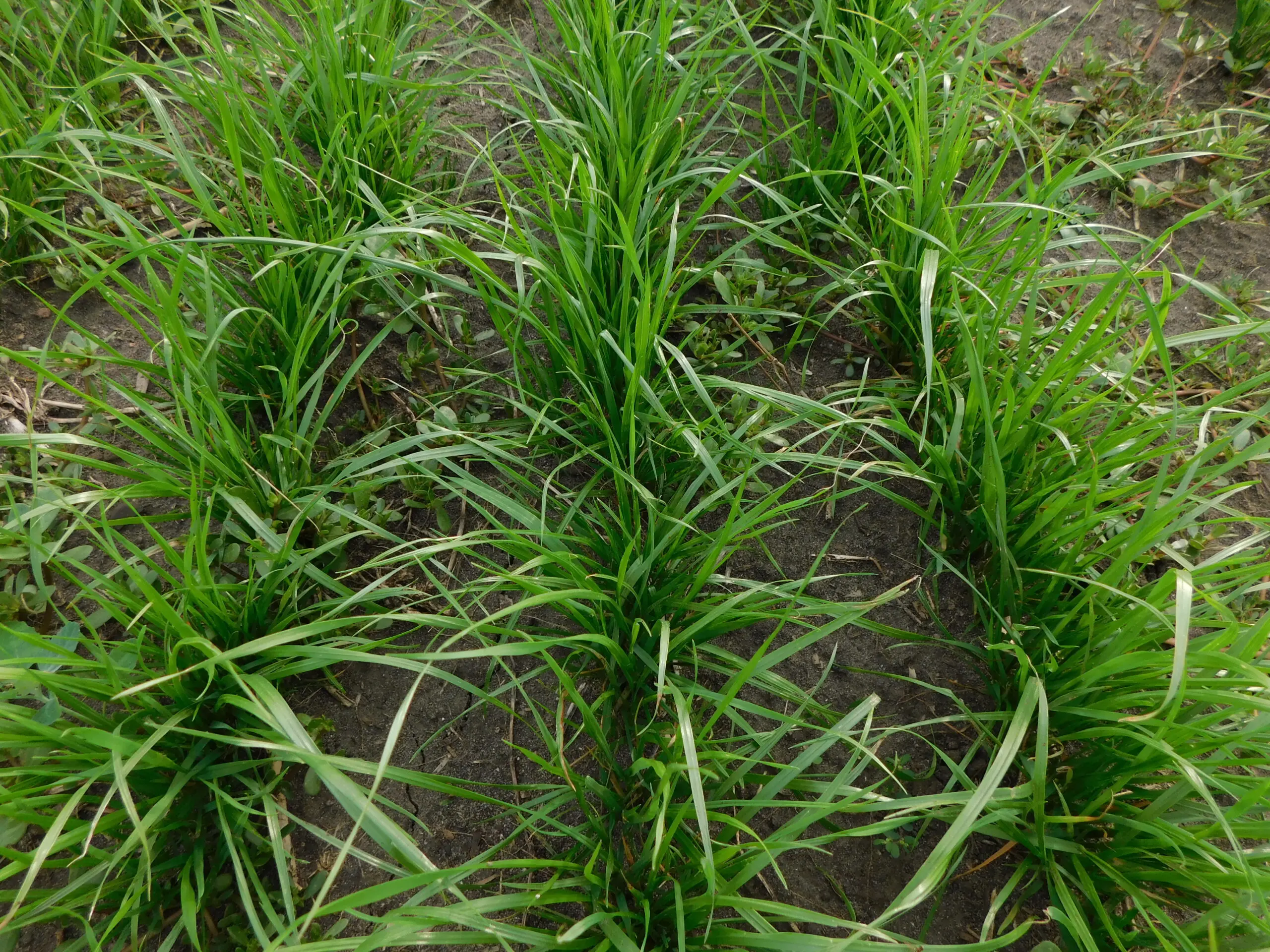
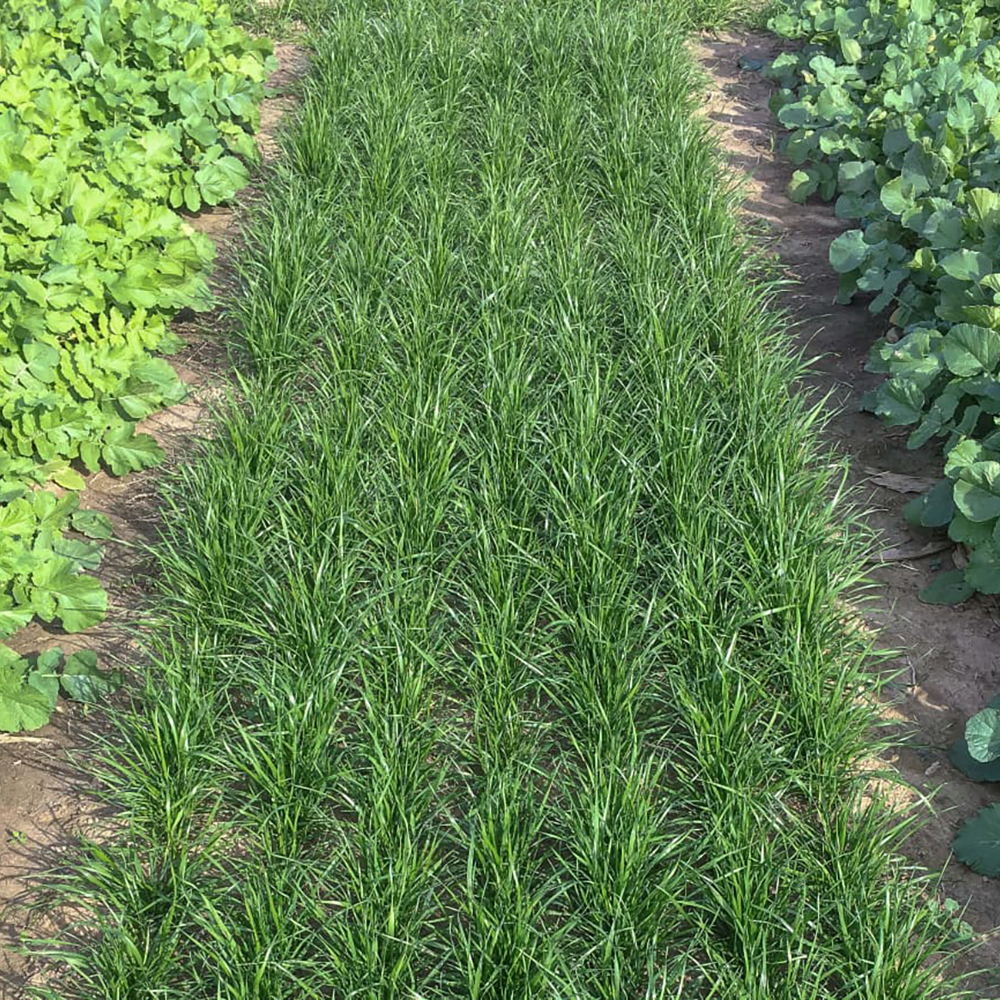
Seeding: 15-20lbs/acre at 1/4″ to 1/2″ deep. Drill or increase rate to broadcast seed.
VIEW TECH SHEET | LEARN MORE ABOUT FROSTPROOF ANNUAL RYE

Price range: $12.60 through $51.00
DOWNLOAD RYEGRASS AGRONOMICS & RESOURCES (PDF)
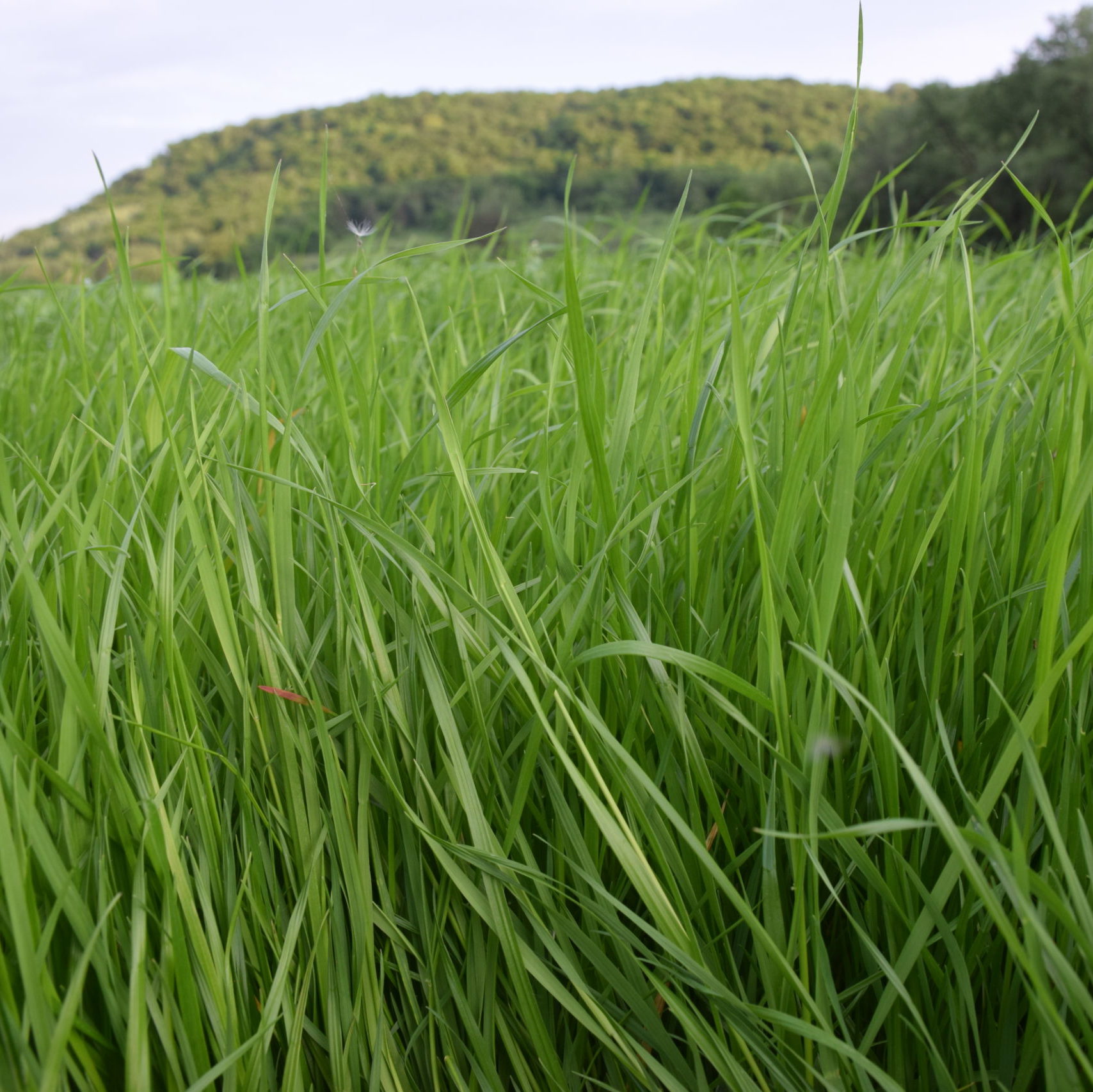
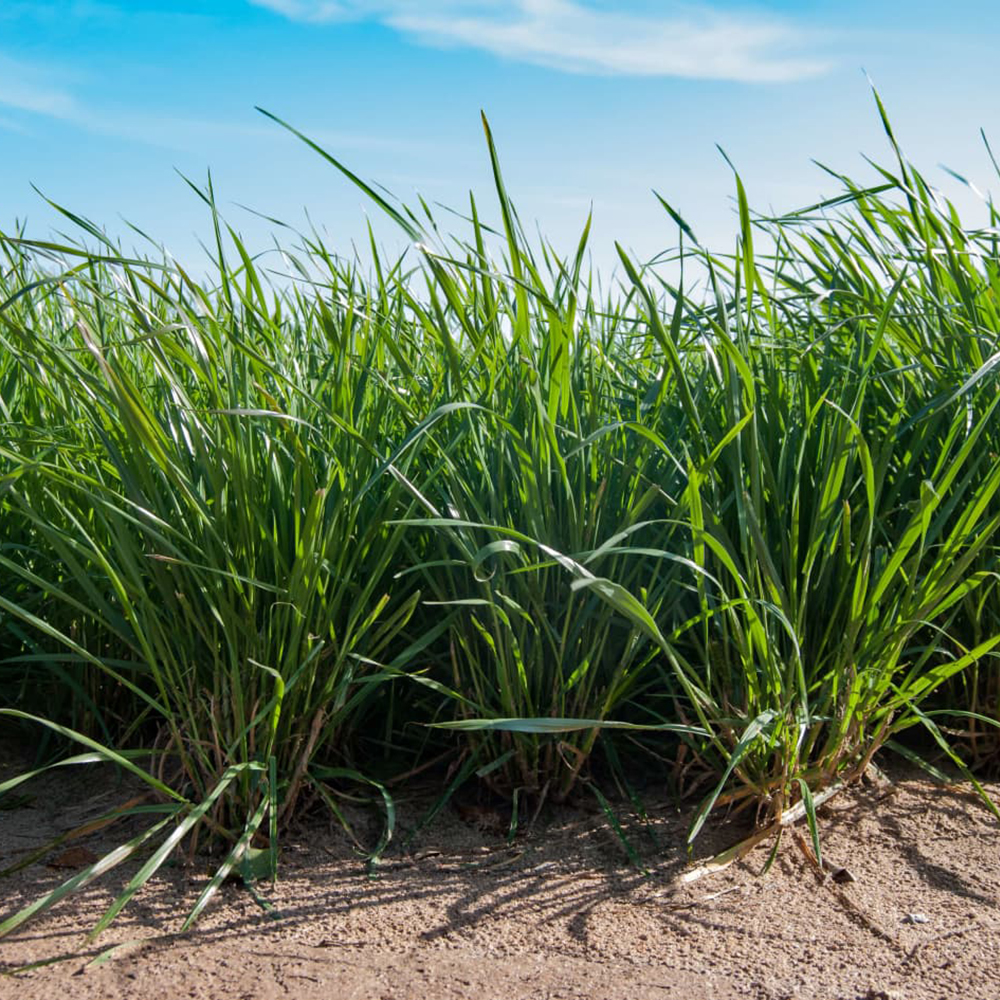
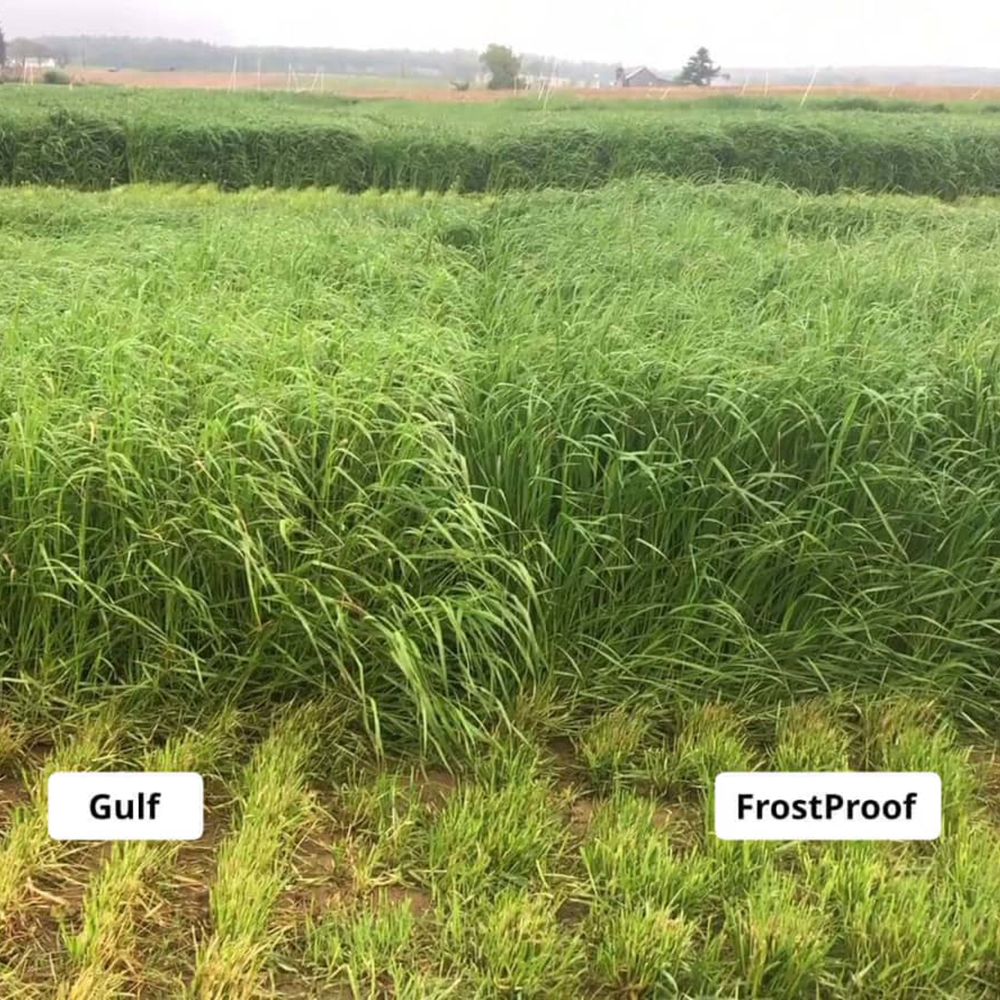
Establishes very rapidly, giving you higher productivity in the planting season. Capable of producing forage yields in a very short period of time. Has good cold tolerance.
Best Use:
Single year forage production, or as green manure plowdown seeded in the fall.
Adaptation:
Well adapted to heavier soil types. Management: Heads out in early to midsummer. Usually winterkills in northern zones.
Planting Date:
March-May, Aug.-Sept.
Seeding:
30 lbs/acre alone or 10-15 lbs/ acre to beef up existing pastures
| Species/Variety | Seeding Rate Drilled (lbs/acre) | Seeding Rate Broadcast/Aerial (lbs/acre) | Seeding Rate In Mix (lbs/acre) | Approx Seeds/lb | Recommended Seeding Date (S MN) | Seeding Depth (inches) | Predicted Hardy Through USDA Zone | Lifecycle | Potential Total N Fixation (lbs/acre/year) | Above Ground Biomass Production | Weed Suppression | Erosion Control | Quick Establishment | Cash Crop Interseed | Grazing Potential | Provide Pollinator Habitat | Drought Tolerance | Heat Tolerance | Saturated Soil Tolerance | Shade Tolerance |
|---|---|---|---|---|---|---|---|---|---|---|---|---|---|---|---|---|---|---|---|---|
| Barley, Spring | 50-100 | 72-120 | 24-48 | 14,300 | Mar–May, Aug–Sept | ½ – ¾ | 7 | Annual | - | Very Good | Very Good | Very Good | Very Good | Excellent | Very Good | Poor | Good | Good | Good | Fair |
| Barley, Winter | 50-100 | 72-120 | 24-48 | 8,000-14,000 | Aug–Sept | ½ – 1 | 6 | Winter Annual | - | Very Good | Very Good | Excellent | Very Good | Very Good | Very Good | Poor | Good | Good | Good | Fair |
| Oat, Spring | 25-100 | 48-96 | 16-48 | 14,500-18,500 | Mar–May, Aug–Sept | ½ – ¾ | 8 | Annual | - | Excellent | Good | Very Good | Excellent | Excellent | Excellent | Poor | Fair | Fair | Good | Fair |
| Rye, Cereal Winter | 50-150 | 50-150 | 25-75 | 18,000 | Aug–Nov | ½ – 1½ | 2-3 | Winter Annual | - | Excellent | Excellent | Excellent | Excellent | Excellent | Excellent | Poor | Very Good | Very Good | Very Good | Good |
| Ryegrass, Annual | 15-20 | 25-30 | 4-5 | 227,000 | Mar–May, Aug–Sept | ¼ – ½ | 6 | Annual | - | Excellent | Good | Very Good | Very Good | Excellent | Excellent | Poor | Fair | Fair | Very Good | Very Good |
| Ryegrass, Italian | 15-20 | 25-30 | 4-5 | 227,000 | Mar–May, Aug–Sept | ¼ – ½ | 5-6* | Winter Annual | - | Excellent | Good | Very Good | Very Good | Excellent | Excellent | Poor | Fair | Fair | Very Good | Very Good |
| Triticale, Winter | 30-100 | 60-120 | 15-40 | 15,000 | Aug–Early Oct | ½ – 1½ | 4-5* | Winter Annual | - | Very Good | Very Good | Excellent | Very Good | Excellent | Excellent | Poor | Good | Good | Good | Good |
| Wheat, Winter | 30-75 | 60-90 | 15-40 | 11,000-15,000 | Aug–Early Oct | 1 – 2 | 5* | Winter Annual | - | Very Good | Very Good | Excellent | Very Good | Excellent | Excellent | Poor | Good | Good | Good | Good |
Predicted Hardy: ID = Insufficient Data, NFT = Not Frost Tolerant
*Highly variable on winter growing conditions, planting date, snow cover, etc.
Have you used this product? Let us know what you think.