800.352.5247
- Seed Finder
- About
- Resources
- Find a Dealer
- Blue River Organic
- Viking Non-GMO
- Login
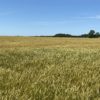
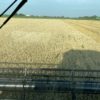
*Wheat seed may carry seed-borne diseases, including bunt and smut, which can affect harvested grain, particularly in the eastern U.S. Our conventional wheat seed is not tested for bunt or smut, and we do not guarantee the seed to be disease-free. Our organic wheat seed is tested, and test results are available upon request
Price range: $33.00 through $1,320.00
| Variety | Awned/Bearded | Winter Hardiness | Maturity | Plant Height | Lodging | Test Weight | Grain Protein | Leaf Rust | Fusarium/Scab | 2025 Statewide Yield (bu/A) | 3-Yr Statewide Avg Yield (bu/A) |
|---|---|---|---|---|---|---|---|---|---|---|---|
| Organic Erisman Soft Red Winter Wheat | Awnletted | 1 | 3 | 5 | 1 | 1 | 4 | 3 | 3.0 | 111 | ID |
| Viking 211 Hard Red Winter Wheat | Awned | 4 | 3 | 3 | 4 | 4 | 5 | ID | ID | 79 | 80 |
| Organic Blue River 211 Hard Red Winter Wheat | Awned | 4 | 3 | 3 | 4 | 4 | 5 | ID | ID | 79 | 80 |
| Organic ND Noreen Hard Red Winter Wheat | Awned | 3 | 6 | 6 | 3 | 1 | 4 | 3 | 3.0 | 92 | 86 |
| SD Andes Hard Red Winter Wheat | Awned | 2 | 5 | 4 | 2 | 2 | 6 | 8 | 5.0 | 98 | 93 |
| Organic Bickford Hard Red Winter Wheat | Awned | 5 | 8 | 8 | 2 | 3 | 2 | ID | ID | 71 | ID |
| Expedition Hard Red Winter Wheat | Awned | 1 | 1 | 3 | 4 | 5 | 5 | ID | ID | ID | ID |
| Organic Turkey Red Heirloom Winter Wheat | Awned | 6 | 9 | 9 | 9 | ID | ID | ID | ID | ID | ID |
| Organic Blue River 861 Soft Red Winter Wheat | Awned | 1 | 3 | 5 | 2 | 3 | ID | 4 | 2.0 | ID | ID |
| Organic Blue River 801 Soft Red Winter Wheat | Awned | 1 | 3 | 5 | 3 | 3 | ID | 3 | 3.4 | 129 | 118 |
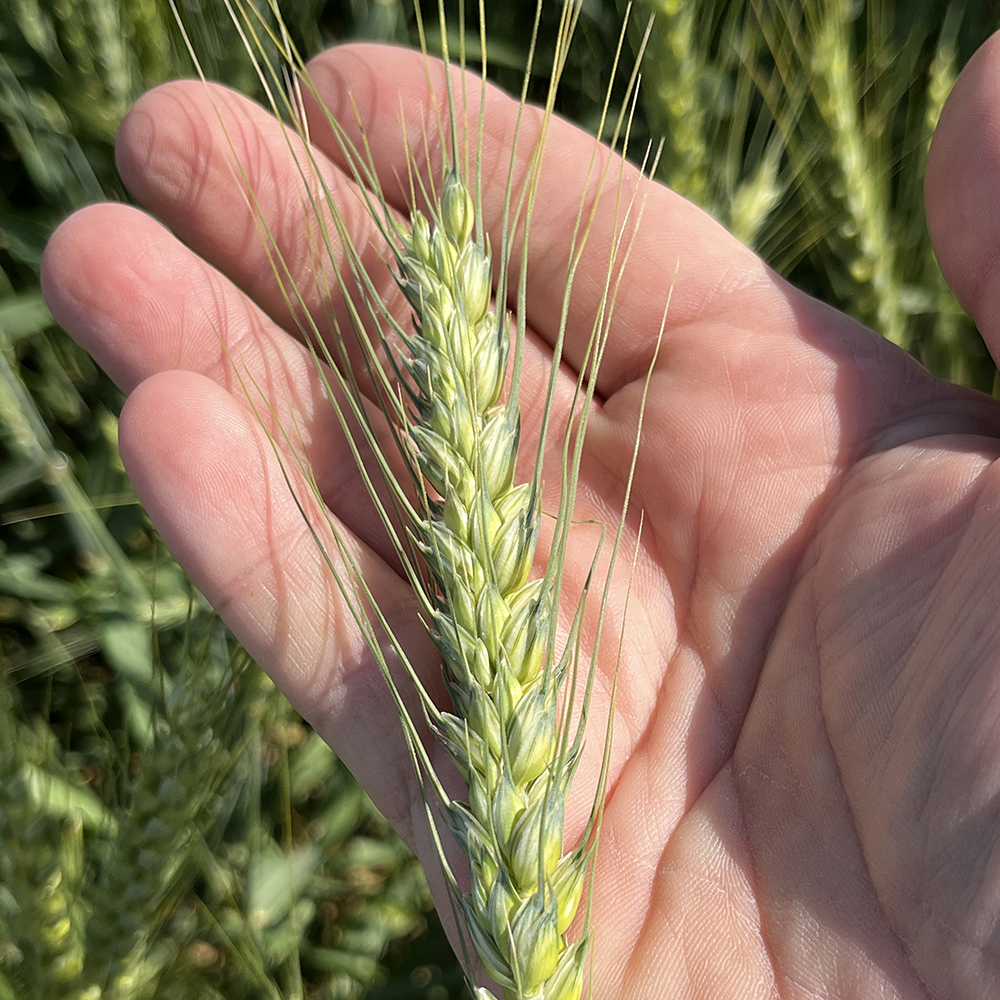
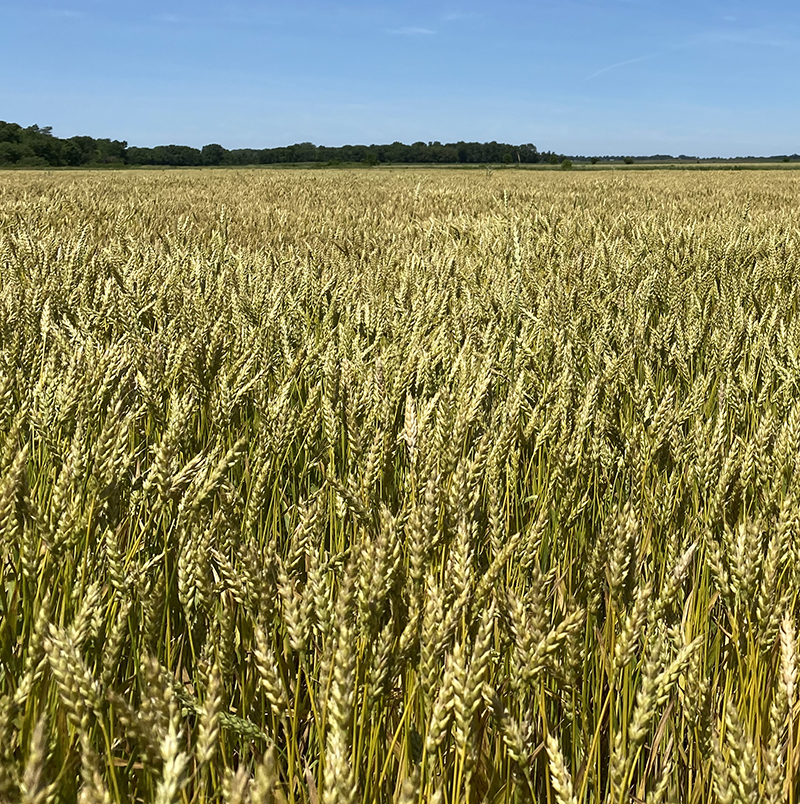
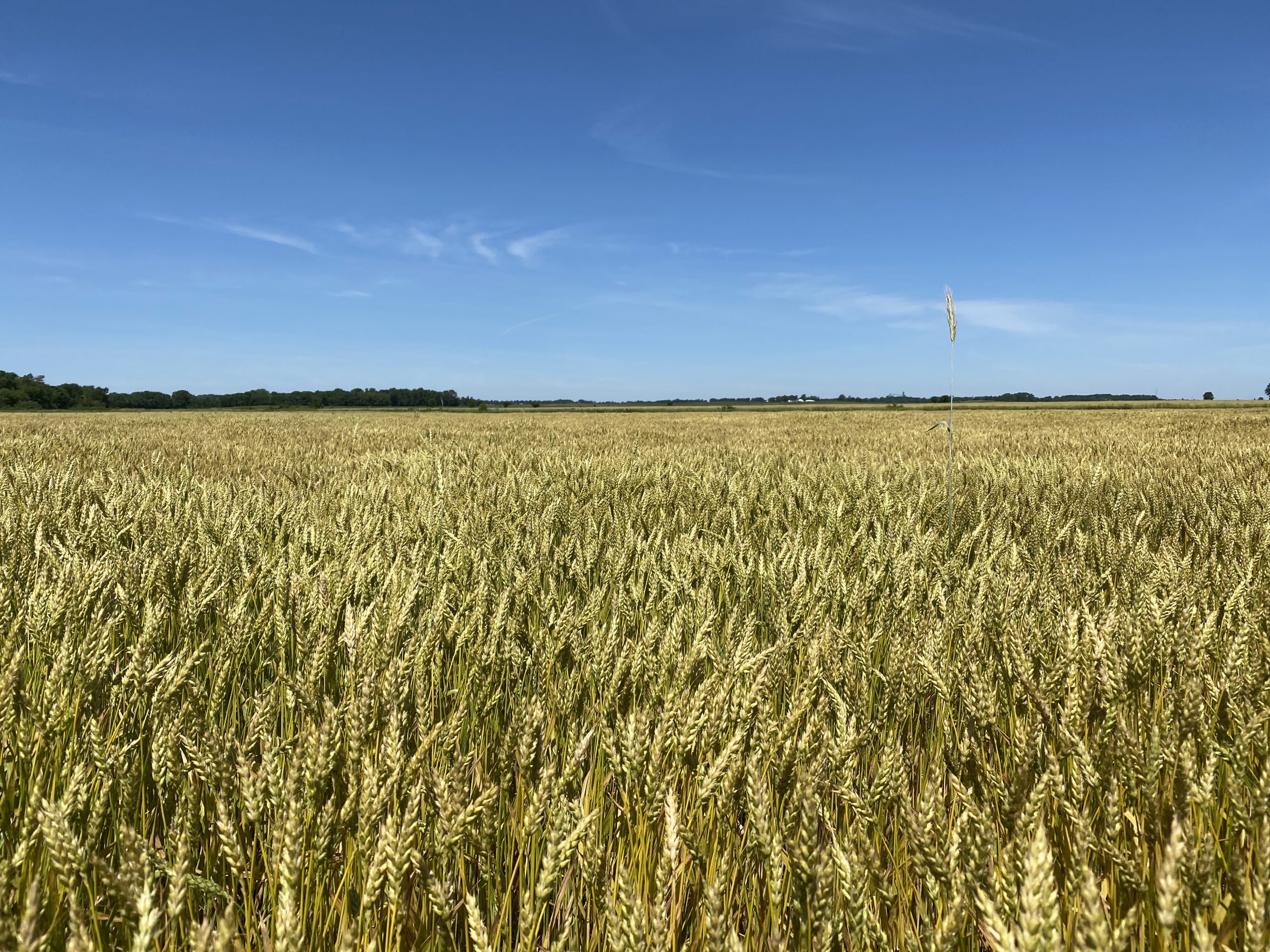
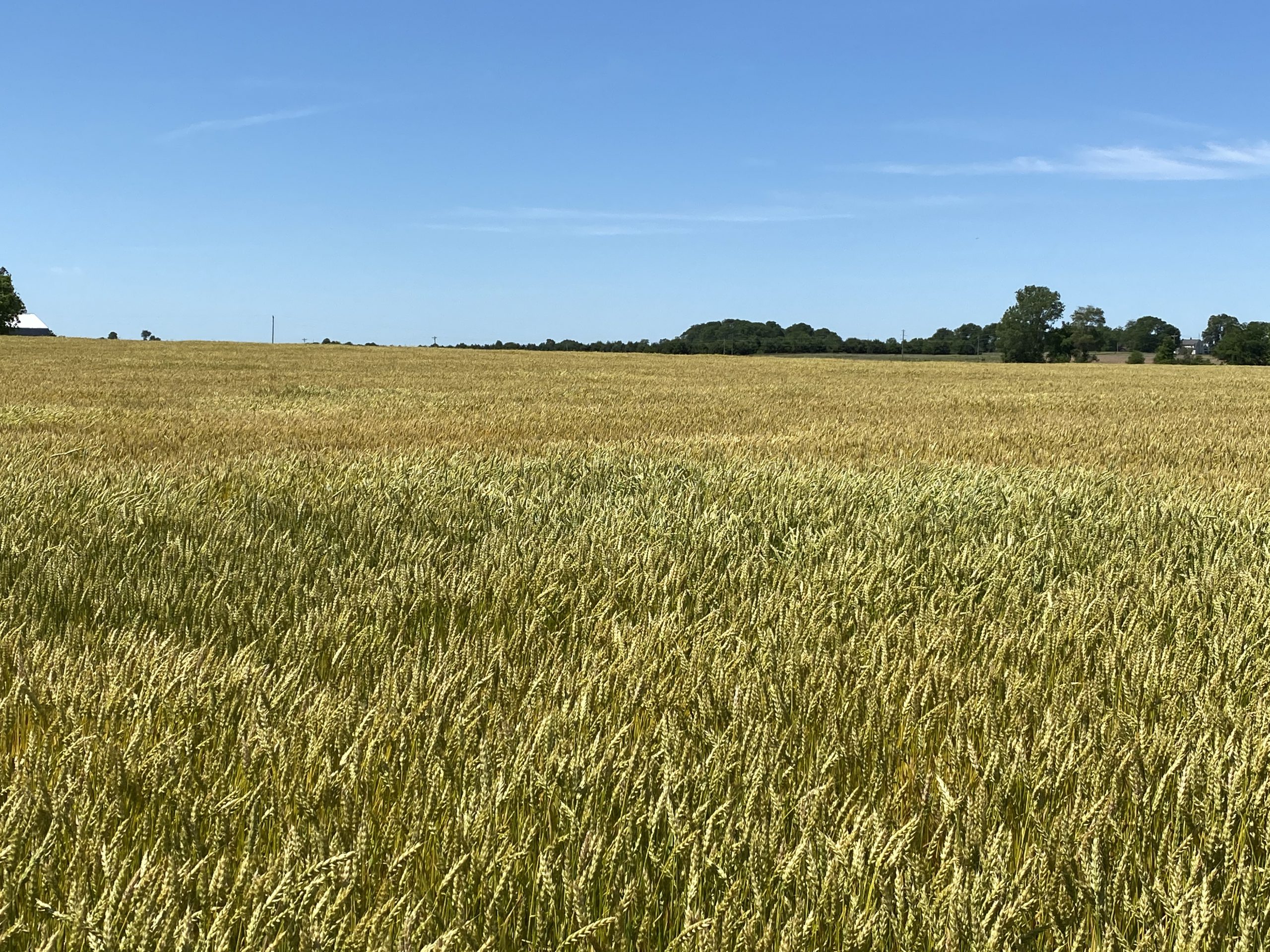
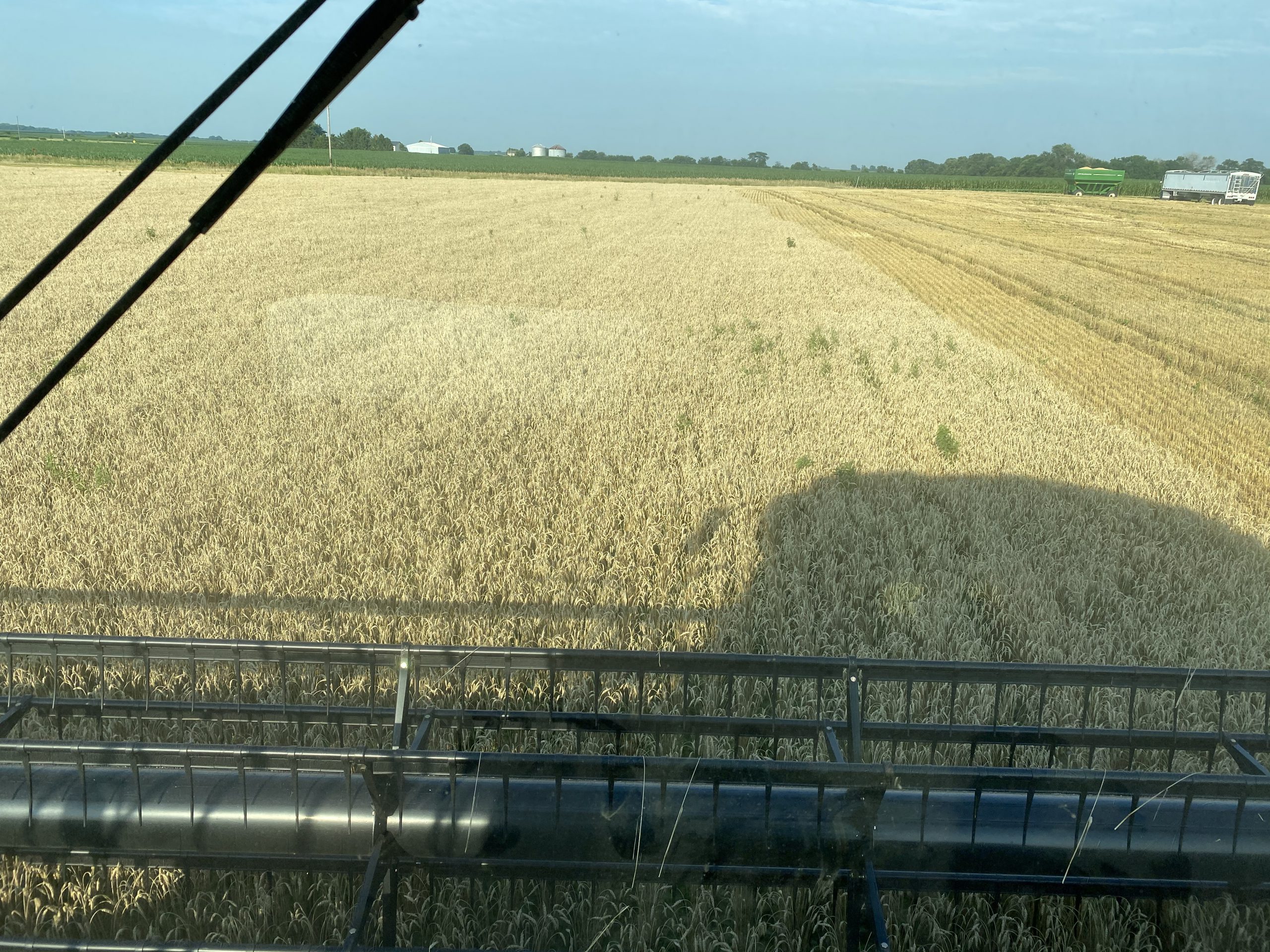
Winter wheat provides options as a grain cash crop, straw, and a cover crop to break weed and pest cycles. A 12-year University of Illinois study found that winter wheat added as a third rotational crop to a corn-soybean rotation boosted corn harvest by 10 bushels/acre and soybeans by 5 bushels/acre. Winter wheat provides an excellent window for seeding cover crops after grain harvest.
Best Use: Grain, Cover Crop, Forage
Adaptations: All soil types
Planting Date: Sept. 10 – Oct. 10 in southern MN
(date range will change as you move north or south)
Requirements:
Seeding:
100-140 lbs/acre drilled 1″ to 2″ deep
Optimum final stand is 900,000-1,000,000 plants/acre
Click here to view trial data for winter wheat products.
Have you used this product? Let us know what you think.